

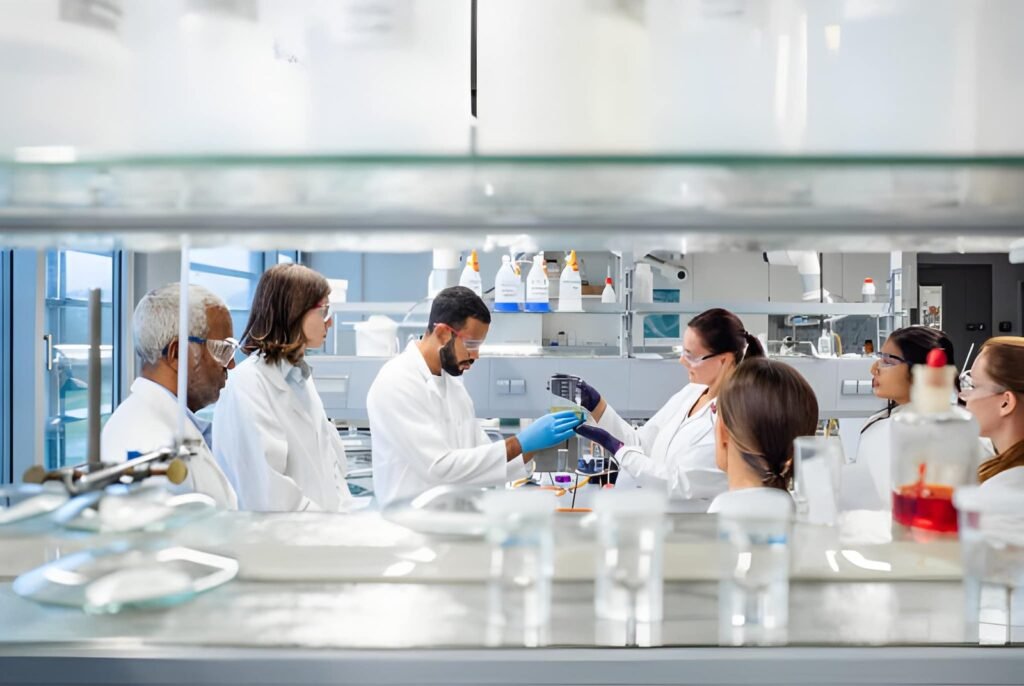
Exploring Medical and Dental Internships Abroad in 2026
Embarking on a medical or dental internship abroad offers students hands-on experience, invaluable cultural exposure, and the chance to refine clinical skills in diverse healthcare environments. Whether it’s shadowing professionals in India or assisting community clinics in Greece, these programs prepare aspiring practitioners with a global mindset and practical understanding of healthcare systems, including opportunities like Study Medicine Abroad in Europe in English.
Why Global Clinical Experience Matters
International internships provide more than technical knowledge; they foster adaptability, empathy, and cross-cultural communication. Early clinical exposure helps young professionals strengthen confidence while working under real conditions and patient interactions. This holistic approach mirrors the evolving educational trend that bridges theory and practice globally.
Top Medical and Dental Internship Opportunities for 2026
The year 2026 brings a diverse range of internship opportunities designed for medical and dental students seeking international experience. Below are some of the most rewarding destinations and areas of focus:
- Medical and Nursing Internship in India: Offers exposure to urban hospitals and rural health centres, allowing participants to understand community health challenges.
- Medical Internship in Nepal: Involves working alongside local doctors in both public hospitals and private clinics focusing on general medicine and community healthcare.
- Medical Internship in Thailand: Provides experience in patient care practices and emergency medicine within advanced healthcare facilities.
- Dental Internship in Greece: Encourages participants to develop practical dentistry skills while learning about oral health promotion in a European setting.
- Dental Elective Internship in Peru: Highlights opportunities to practice preventive and restorative care in developing health systems.
- Medical Internship in Ghana and Sri Lanka: Presents valuable experience in resource-limited environments, enhancing diagnostic accuracy and creativity in patient management.
Requirements for a Medical or Dental Internship Abroad
Most medical and dental internship programs require participants to be enrolled in relevant undergraduate or postgraduate studies. Common prerequisites include proof of academic progress, basic health documentation, and language proficiency depending on the destination. A genuine interest in healthcare service and cross-cultural collaboration is also essential.
Some institutions may also request background checks, vaccination records, and letters of recommendation. Being prepared with these documents in advance ensures a smooth application process.
Benefits of Pursuing an International Internship
Participating in a medical or dental internship abroad provides significant advantages beyond academic growth. Key benefits include:
- Enhanced clinical confidence: Exposure to real patients refines diagnostic and procedural abilities.
- Cultural competence: Working within different healthcare systems fosters adaptability and open-mindedness.
- Professional networking: Internships build global connections and mentorship opportunities valuable for future careers.
- Improved communication: Managing multi-lingual environments enhances interpersonal skills.
- Personal development: Living independently abroad cultivates resilience and leadership qualities.
Early Clinical Experience and Mentorship: Preparing Future Professionals
Exposure to clinical environments early in medical and dental education helps bridge the gap between academic theory and practical application. Mentorship plays a critical role during this phase, as experienced professionals guide students in patient interaction, ethical decision-making, and reflective practice. Structured mentoring fosters critical thinking, empathy, and professional confidence.
Advantages of Early Clinical Programs
Students involved in early practical training often demonstrate stronger communication skills and clearer professional identity. Real-world exposure inspires learners to reaffirm their career choices and cultivates motivation to pursue lifelong learning in medicine or dentistry.
Challenges and Suggestions for Improvement
Although early clinical experience provides many benefits, some students may face challenges such as adapting to new environments or balancing academic loads. Institutions can enhance these programs by increasing structured feedback, implementing consistent mentorship models, and promoting psychological resilience workshops.
How to Choose the Right Internship Program
Selecting a suitable program depends on factors like personal goals, preferred medical specialisation, geographic interests, and available support structures. Prospective interns should assess program credibility, faculty support, safety measures, and learning outcomes. Transparency regarding expectations, supervision, and ethical standards ensures a positive experience.
Preparing for an Internship Abroad
Preparation forms the foundation for a successful international placement. Steps include conducting thorough research about the host country’s healthcare system, climate, and cultural norms. Participants should arrange essential travel documents, insurance, and vaccinations well in advance. Moreover, developing emotional readiness through cultural awareness training and language preparation contributes to smoother adaptation.
Building a Career Through Global Opportunities
International medical and dental internships open avenues to global career pathways. Many participants use this exposure as a stepping stone to postgraduate studies, humanitarian health projects, or research collaborations. The experience builds credibility and readiness to work in multicultural healthcare teams, aligning with the increasingly globalised nature of modern medicine.
Conclusion
Medical and dental internships abroad in 2026 represent a gateway to professional growth, cultural enrichment, and personal fulfilment. They embody a unique blend of practical learning and human connection that shapes compassionate, skilled professionals ready to contribute to global health. For aspiring practitioners, taking this step not only enhances career prospects but also broadens perspectives essential for modern healthcare practice, especially through platforms like studymedicinedentistry.
FAQs
1. Are international medical internships recognised by universities?
Yes, most international internships are designed in collaboration with academic institutions, allowing participants to receive credit or recognition towards their degrees, provided programme standards align with university criteria.
2. Do I need prior clinical experience before joining?
While some experience can be helpful, many programs cater to students in early stages of study, focusing on observation and foundational clinical practice.
3. What costs are involved in joining a medical internship abroad?
Costs vary depending on destination, duration, and program inclusions, often covering accommodation, training, and supervision. Students should budget for travel and personal expenses separately.
4. How long do medical and dental internships typically last?
Internships can range from two weeks to six months. Short-term placements focus on observation, while longer programs offer hands-on patient care under supervision.
5. What qualities help students succeed in international clinical settings?
Adaptability, empathy, professionalism, and a willingness to learn from diverse healthcare environments contribute significantly to a rewarding internship experience.
Call to Action: Ready to expand your horizons through a transformative clinical experience? Begin preparing for your 2026 internship abroad today and unlock your potential in global healthcare.